Compare the 3 Best Svalbard Photography Tour Operators
Ship size dictates shore time, Zodiac access, and how close you get to the shot. Three operators, three approaches.
Poseidon Expeditions
Small Ship · Naturalist-Led
- Ship
- M/V Sea Spirit
- Guests
- 114
- Season
- Jun — Sep
- From
- Price on request
Up to 3 landings per day, each lasting approximately 2.5 hours — the widest route flexibility of the three.
WildPhoto Travel
Micro Ship · Photographer-Led
- Ship
- MS Virgo
- Guests
- 12
- Season
- Mar — Oct
- From
- €8,995
20 years exclusively in polar photo expeditions — more than any other photo travel company. Polar bear specialists.
Secret Atlas
Micro Ship · Celebrity Guides
- Ship
- Vikingfjord / Freya
- Guests
- 12 – 36
- Season
- Apr — Sep
- From
- Price on request
No fixed itinerary. Named photographer-guides, including Paul Goldstein and Randy Hanna, join as a second expert on board.
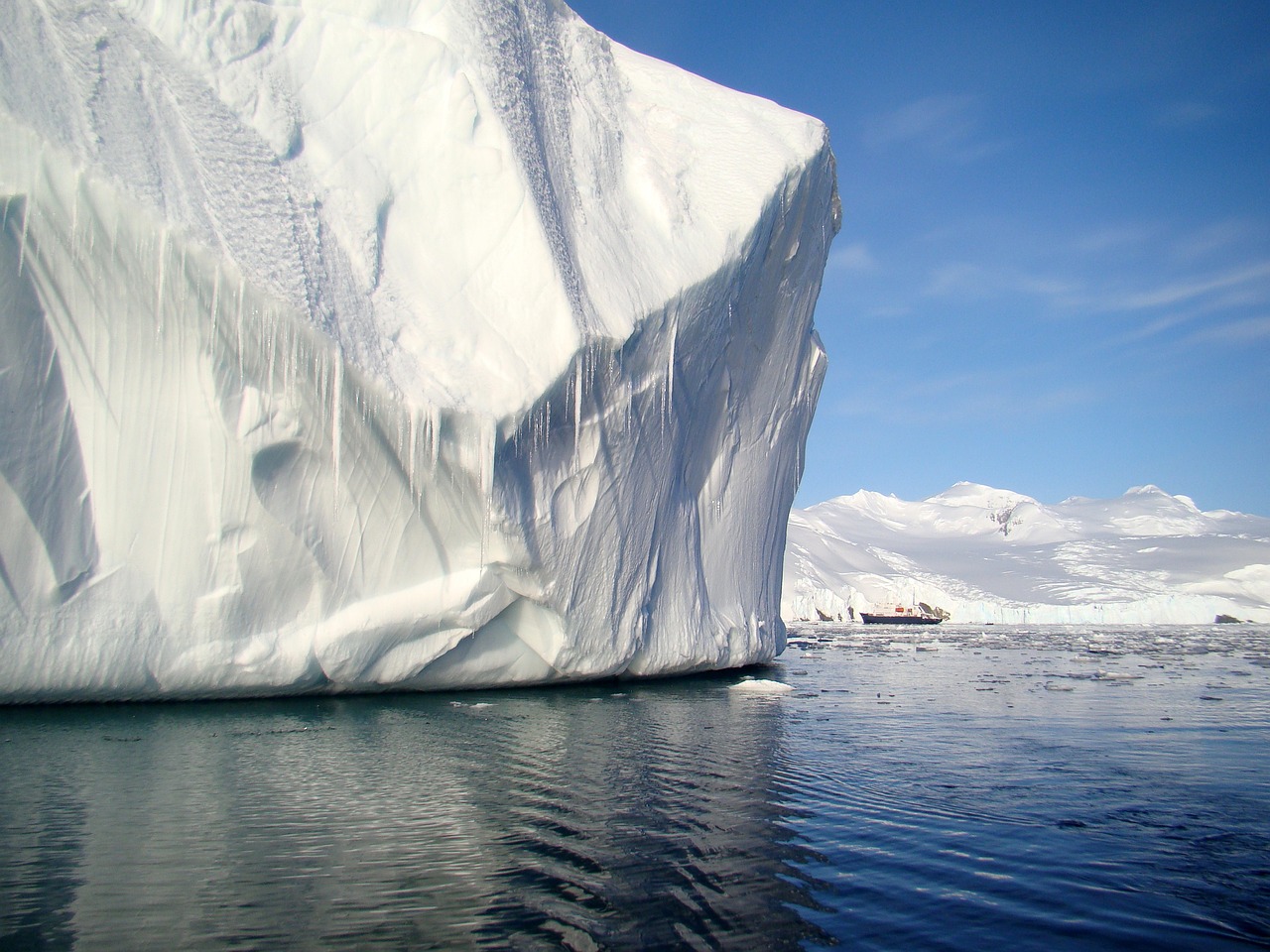
Poseidon Expeditions
"Small ship — big advantage."
27 years of polar experience since 1999. The 114-passenger M/V Sea Spirit is an ice-strengthened vessel offering maximum time ashore — up to 3 landings per day, each lasting approximately 2.5 hours, more than any large-ship competitor.
Expert expedition team: naturalists, biologists, geologists, and historians. IAATO member since 2011.
Poseidon's scale is also its route advantage: the 114-passenger Sea Spirit can push into narrow fjords and reposition between sites faster than a boutique vessel waiting out a weather window, trading some Zodiac intimacy for broader itinerary flexibility across both Arctic and Antarctic seasons. The operator has been named International Travel Awards' Best Polar Expedition Operator for four consecutive years, 2022–2025 — a track record that matters when 114 guests are relying on the same expedition team to read ice and weather correctly, landing after landing.
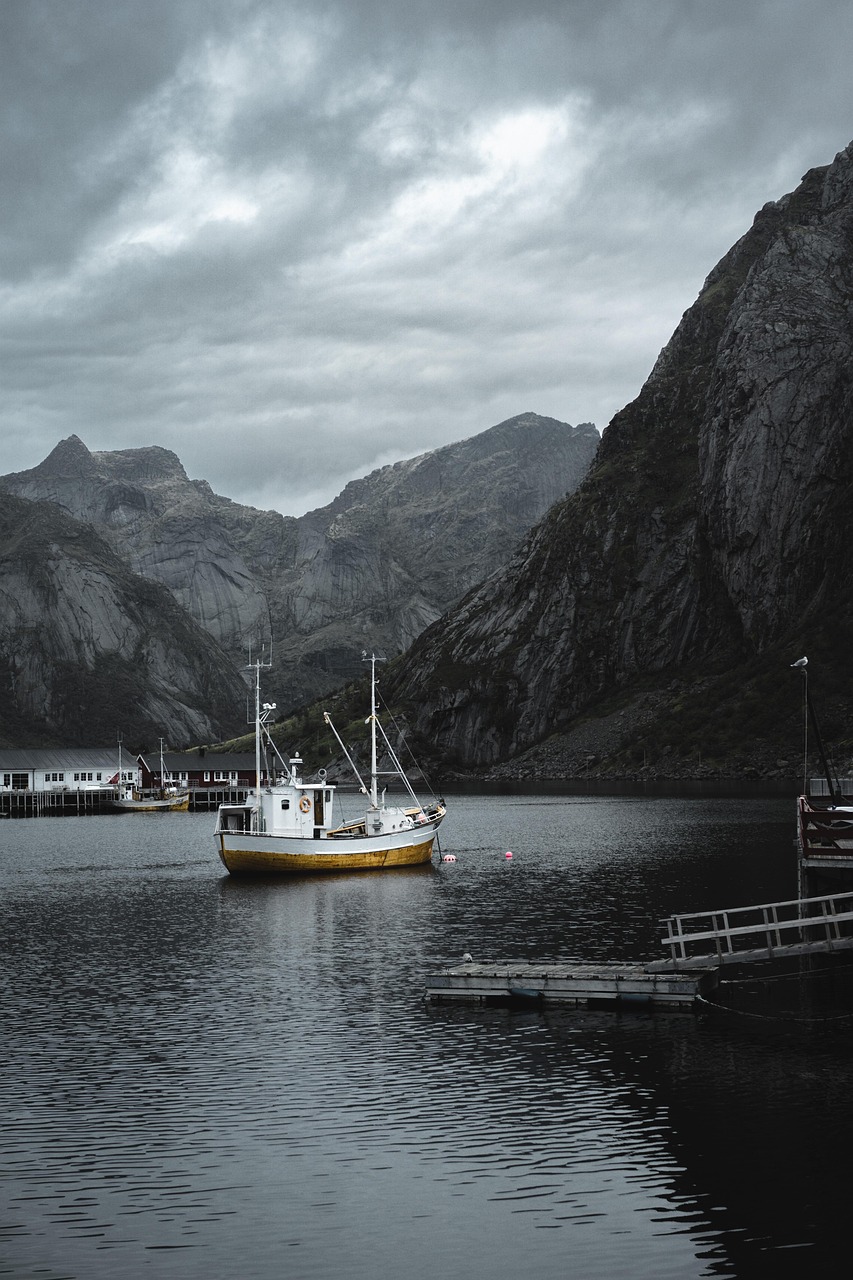
WildPhoto Travel
"Focus on photography, not photo-friendly tourist trips."
20 years exclusively organizing polar photo expeditions — more than any other photo travel company. MS Virgo carries just 12 guests in 6 single and 3 twin cabins, all rebuilt in 2022.
Svalbard-based and polar-bear specialized, with dedicated seasonal itineraries for pack ice, fjord ice, and winter landscape photography.
Rather than one generic sailing, WildPhoto runs four distinct seasonal photo itineraries, each timed to a specific look instead of a fixed calendar slot: Winter Extreme for pack-ice and low-light polar-night conditions, Spring Awakening for the transition into 24-hour daylight, Summer Dream for peak midnight-sun wildlife activity, and Autumn Magic for tundra color and the return of long golden-hour shadows. That specialization is also why the operator caps at 12 guests — small enough that the photographer-guide can position every passenger for the same sighting instead of managing a rotation.
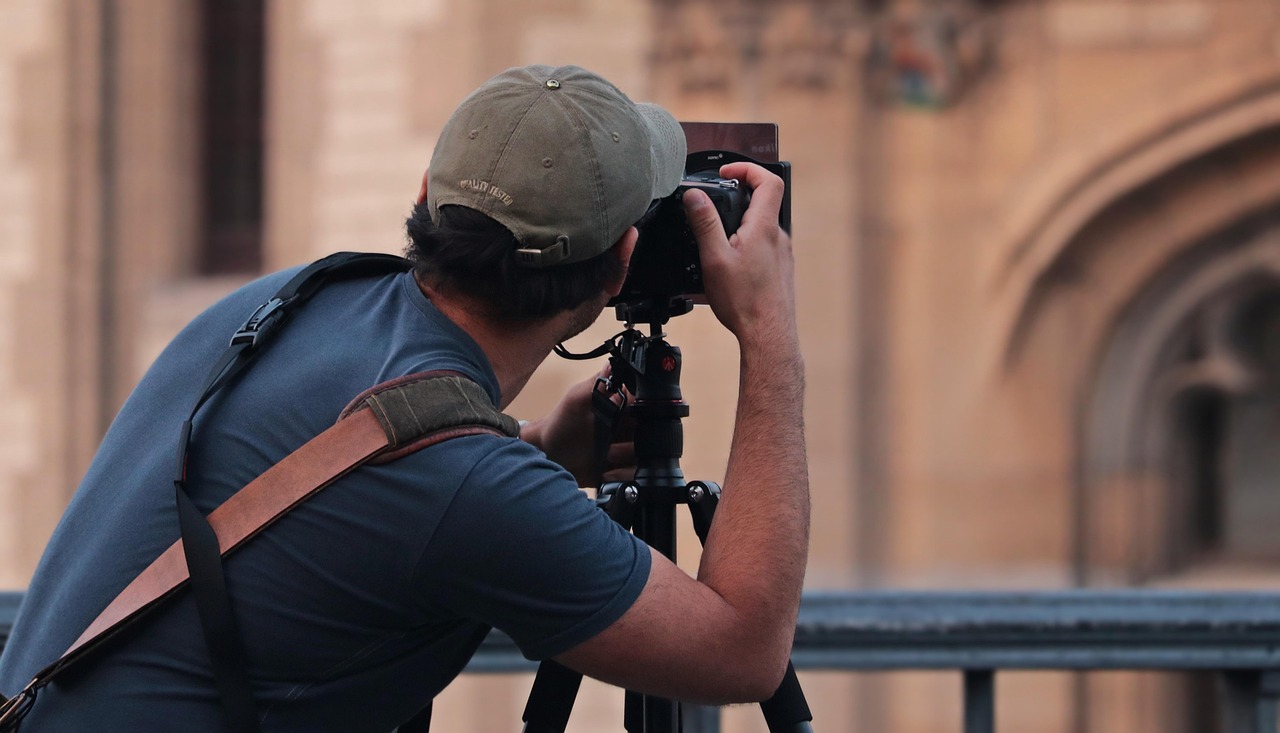
Secret Atlas
"No queues. Just camera clicks."
No fixed itinerary — the route is set daily by the expedition leader based on weather, ice, and wildlife. Named photographer-guides such as Paul Goldstein and Randy Hanna join select departures as a second expert on board.
AECO member with climate-compensated emissions. Solo travelers welcomed year-round.
The 12-guest Vikingfjord and Freya are Secret Atlas's smallest ships, but the operator also runs the 36-guest Aureum for travelers who want the same no-fixed-itinerary, photographer-led model with more departure availability. That no-fixed-itinerary approach is the point of the format: the expedition leader can chase a break in the weather or a wildlife sighting in real time instead of holding to a printed schedule, with a named photographer-guide on board to turn the extra flexibility into better light and better compositions.
Best Time for a Svalbard Photography Tour
Conditions shift rapidly. Select your window based on subject priority — from dramatic pack ice to midnight sun.
April — May
Early Season Ice
Extensive pack ice. Pristine white landscapes. Highest chance for polar bears on ice hunting seals. Bitterly cold temperatures requiring extreme technical layering.
June — July
Midnight Sun
24-hour daylight. Navigable fjords. Enormous bird cliffs active. Best balance of wildlife accessibility and varied lighting conditions for extensive shooting schedules.
August — September
Late Season Tundra
Circumnavigation possible. Tundra autumn colors emerge. Dramatic golden hour returns. Whales more prevalent. Less pack ice, requiring focus on terrestrial subjects.
Wildlife You Can Photograph in Svalbard
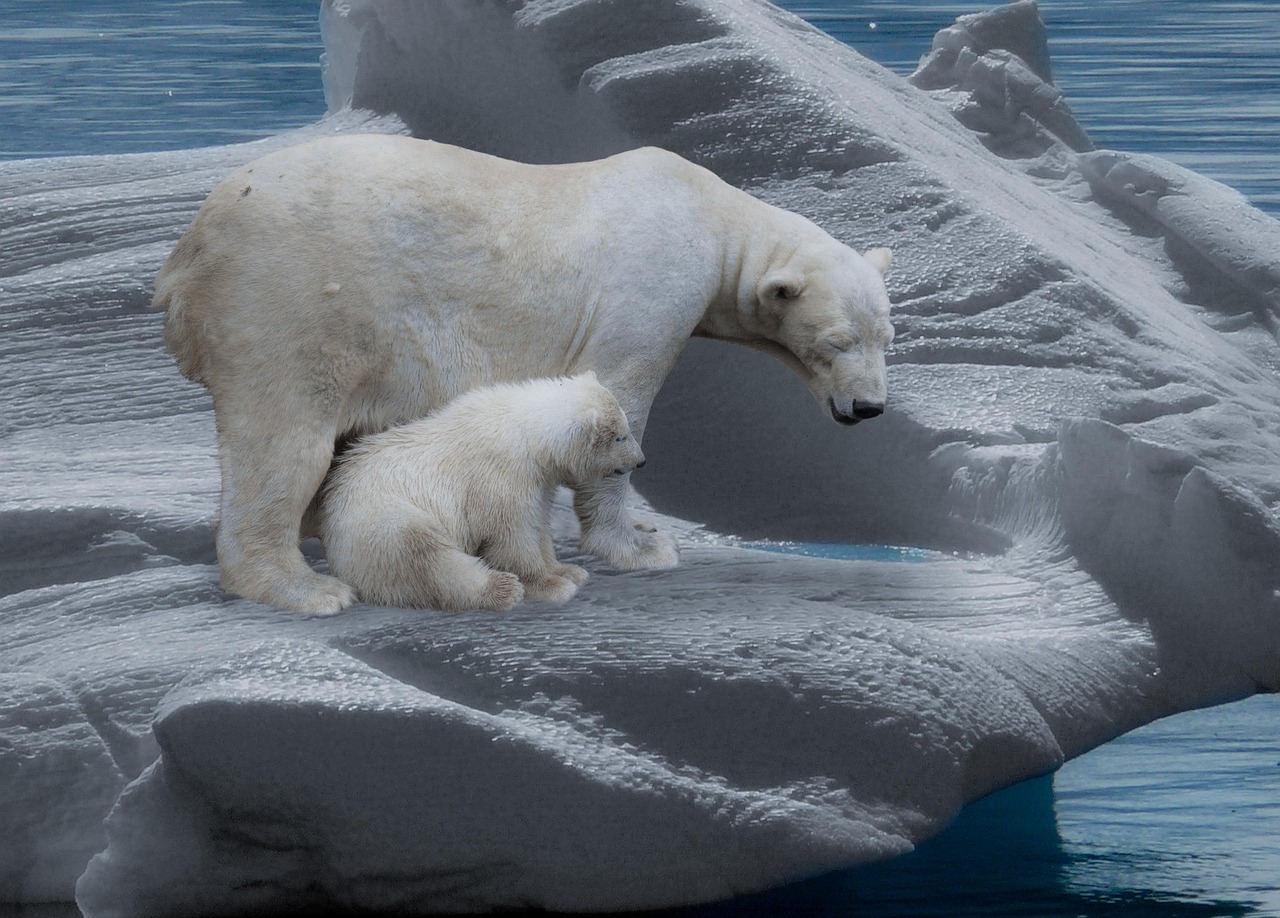
Ursus maritimus
Requires 400mm–600mm focal lengths. Zodiac approaches are heavily regulated; expect to shoot from the deck of the primary vessel.
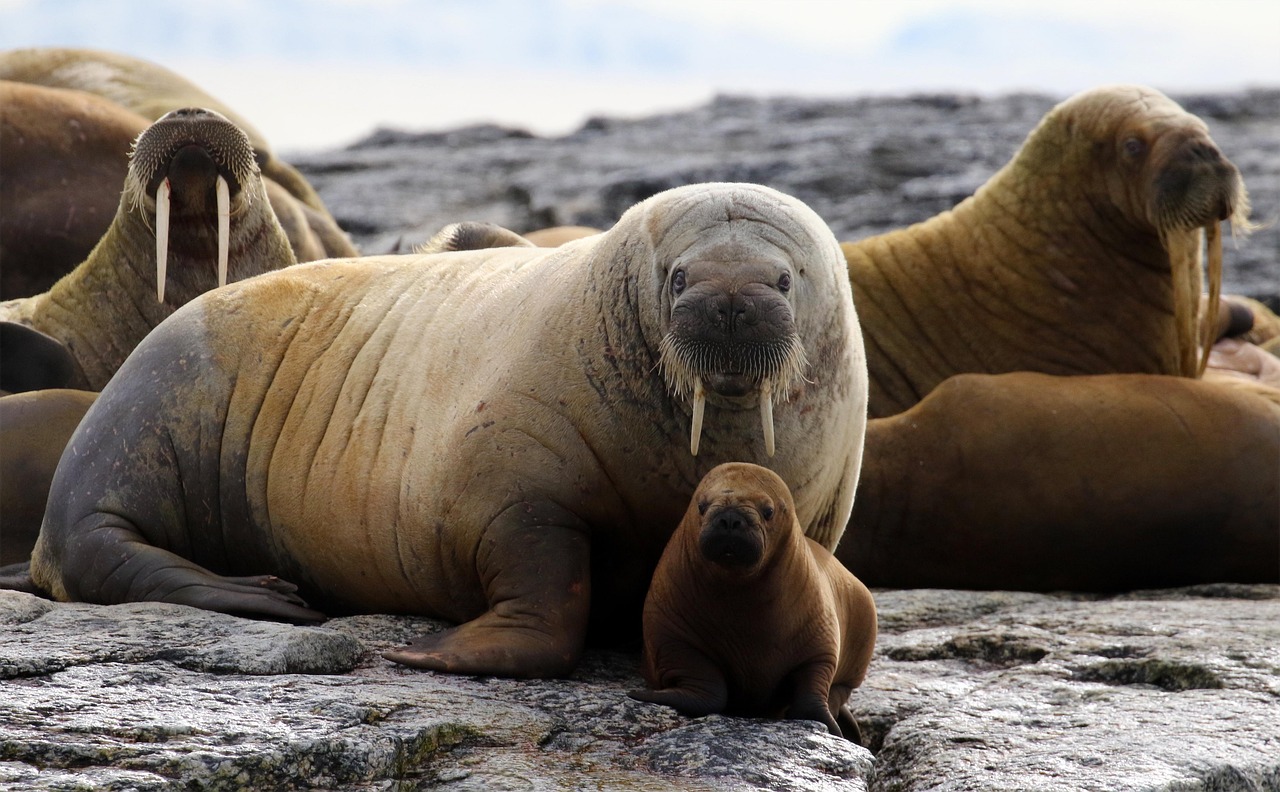
Odobenus rosmarus
Acoustic sensitivity dictates silent approaches. Wide environmental portraits often yield better editorial results than tight isolations.
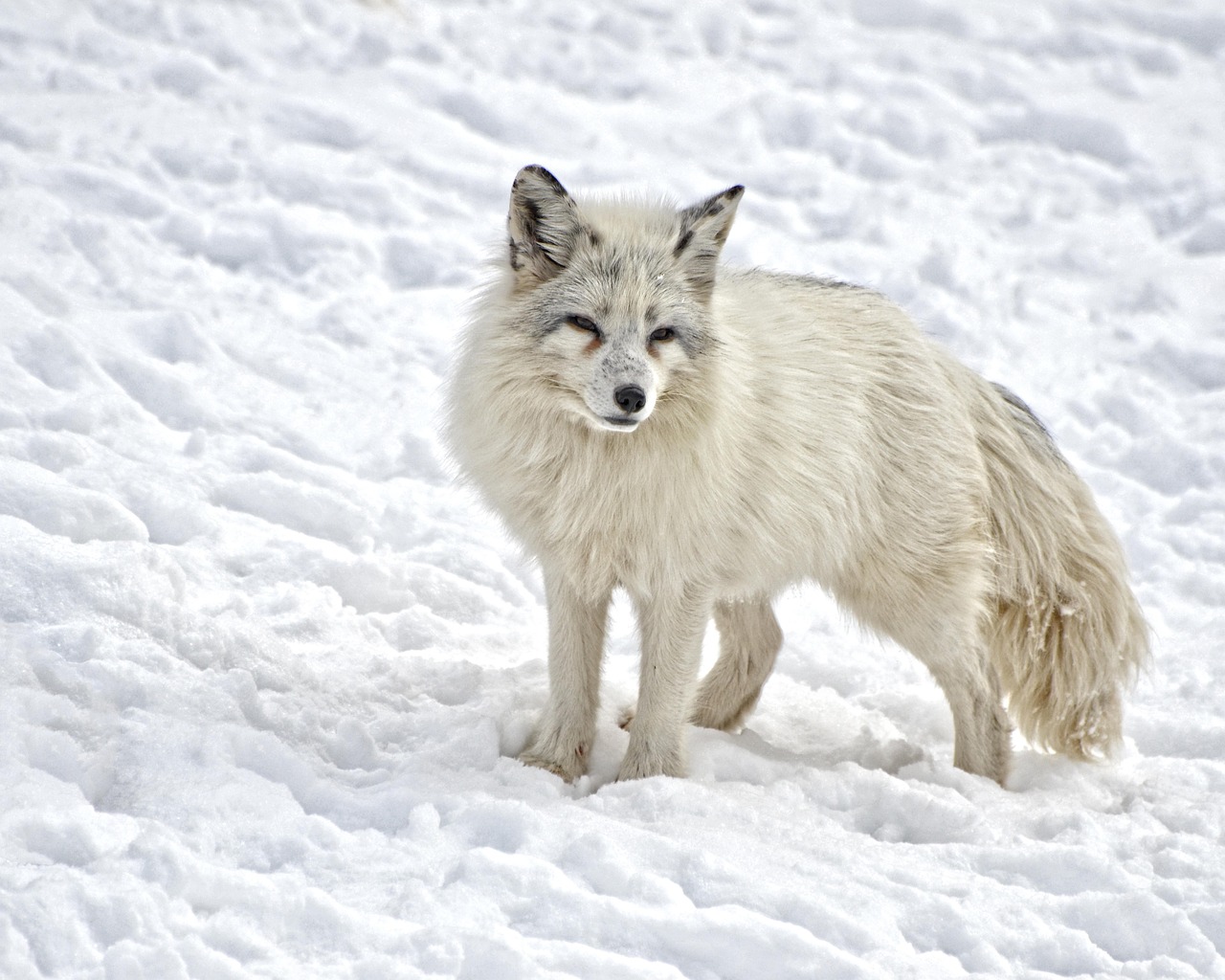
Vulpes lagopus
Low-angle ground shots outperform standing perspectives. Best spotted trailing polar bear kills on pack ice at range.
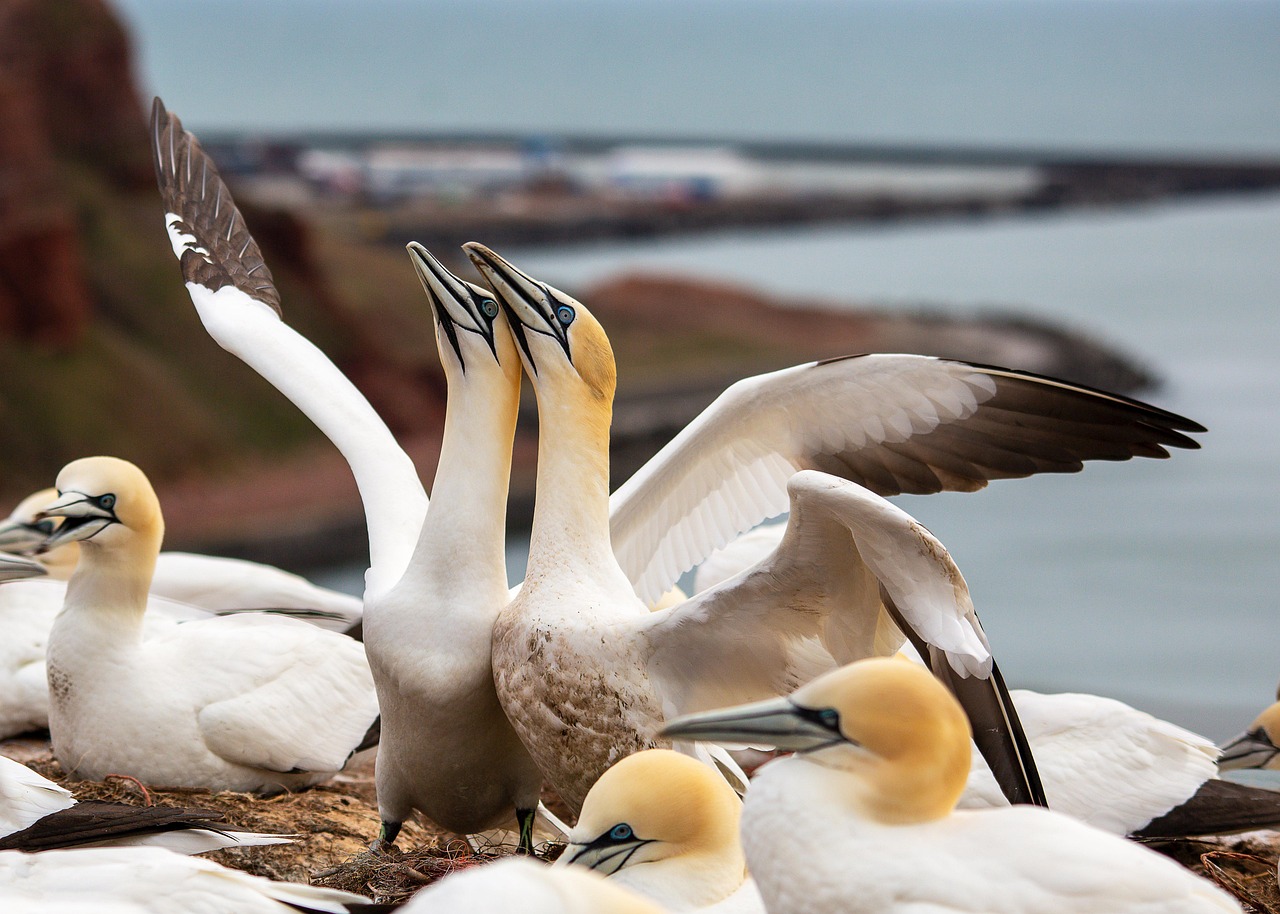
Alkefjellet Colonies
Zodiac-mounted telephoto work at the base of the cliff face. Millions of kittiwakes, guillemots, and auks nest June through August.
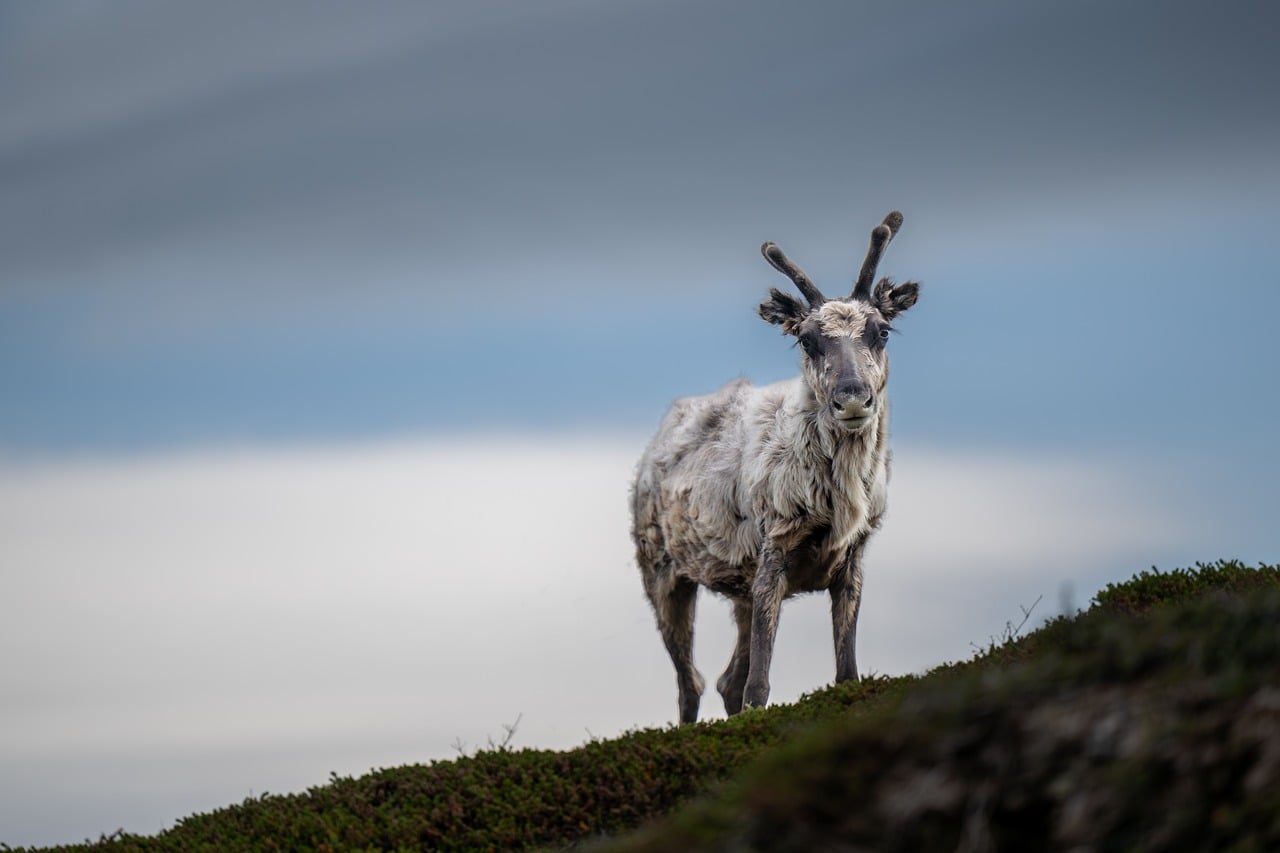
Rangifer platyrhynchus
Approachable and unbothered by distance — a rare chance for tight portrait work without a telephoto rig.
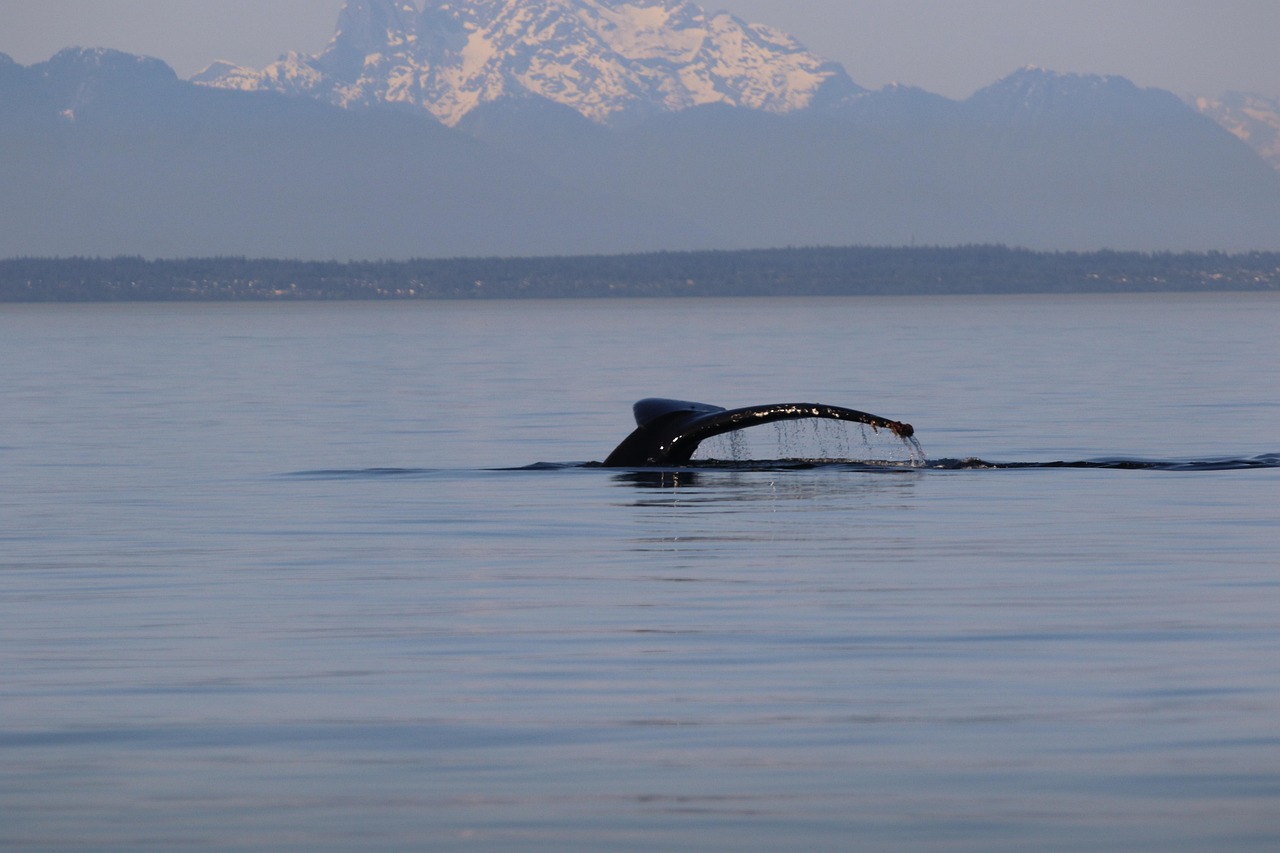
Megaptera novaeangliae
Fluke shots reward patience from the ship's stabilized deck. Late-season sightings increase as krill concentrations shift.
Boutique Ship vs Higher-Capacity Ship: Which Is Better for Photography?
Group size is the single biggest variable in photographic outcome. It decides how many people are in the Zodiac with you.
Group size determines more than cabin comfort — it decides how many people compete for a seat in each Zodiac, how long you queue before your turn at a wildlife sighting, and how many minutes of actual shutter-window you get once you're on scene. A 12-guest ship cycles everyone through a landing in a single pass; a 114-guest ship splits into rotations, and IAATO's per-site guest caps mean a large-ship group can spend part of a landing waiting ashore for its turn to begin.
Boutique Ship (12–36 guests)
- Every guest in a Zodiac at once — no waiting rotations
- Photographer-guide can coach one-on-one during landings
- Access to narrow fjords and shallow bays larger ships can't reach
- Fewer departure dates, books out faster
Higher-Capacity Ship (100+ guests)
- More landings per day — up to 3 vs. typical 1–2 on small ships
- Wider destination range in one itinerary (Antarctica + Arctic)
- IAATO caps guests ashore at a time — some groups wait for rotation
- Naturalist-led rather than photographer-led guiding
Naturalist-Led vs Photographer-Led Guiding
Poseidon's expedition team is naturalist-led — biologists, geologists, and historians who narrate the landscape and wildlife but aren't tasked with coaching composition or exposure. WildPhoto and Secret Atlas build the trip around a photographer-guide instead: someone who calls out light and framing in the field and runs an evening review or workshop onboard. Neither model is strictly better — naturalist-led suits travelers who want broader scientific context, photographer-led suits those optimizing specifically for the shot.
Responsible Wildlife Photography in Svalbard
Landing caps, wildlife-distance rules, and no-disturbance protocols aren't optional extras — they govern every shore excursion on all three itineraries.
These aren't polite guidelines — IAATO and AECO membership is what legally permits an operator to land guests on Svalbard's shores at all, and both bodies cap how many people can be ashore at a single site simultaneously. That cap is the direct reason small ships land faster: a 12-guest vessel clears its full group in one rotation, while a 114-guest ship must split into multiple landing waves to stay under the same per-site limit — the same trade-off explained in the ship-size comparison above.
What to Pack for an Arctic Photography Tour
Average highs range from -9°C in April to +7°C in July — layering matters more than any single garment.
Getting to Longyearbyen
Every Svalbard photography tour embarks and disembarks in Longyearbyen (78°13′N), the world's northernmost town with scheduled air service, and all three operators — Poseidon, WildPhoto, and Secret Atlas — use it as their sole embarkation point. Flights connect through Oslo, typically around 3 hours from mainland Norway with no direct long-haul routing, so most travelers fly into Oslo the day before departure to build in a buffer against weather delays. Options in Longyearbyen itself are limited, so gear, cold-weather layers, and any last-minute batteries or memory cards should be sourced before this final flight, not after it.
Layering matters more than any single garment because the temperature swing — -9°C in April to +7°C in July — is only part of the story; the real variable is wind and exposure across three different micro-environments in a single landing. The ship's heated deck is comfortable in a light layer; the open Zodiac ride to shore adds wind chill and sea spray that can drop the felt temperature well below the air reading; and once ashore, standing still for twenty minutes waiting on a polar bear sighting cools you down fast even on a mild day. A base-mid-shell system lets you strip a layer on deck and add it back before the Zodiac without repacking your kit.
Base & Mid Layers
A merino base layer manages sweat during active Zodiac boarding without the clamminess of synthetics, while an insulated mid layer and a windproof/waterproof shell trap warmth without restricting the arm movement a camera needs.
Hands & Feet
Thin liner gloves let you feel the shutter button and adjust dials without exposing skin to the air, worn under insulated mittens between shots. Insulated waterproof boots matter most standing still on wet Zodiac landings, where cold transfers fastest through soles in contact with ice or water.
Camera Gear
A 400–600mm lens is the practical minimum for polar bear and bird-cliff work given IAATO/AECO wildlife-distance rules, while a wide zoom covers glacier and ship-deck landscapes at close range. Cold drains lithium batteries fast, so spares kept warm inside an inner layer — not an outer bag — still have charge when you need them.
Eyes & Skin
Polarized sunglasses cut the glare off ice and open water that causes eye strain during long shooting sessions, and matter even under overcast skies given how much light reflects off snow. High-SPF, wind-resistant sunscreen is necessary despite the cold — UV reflection off ice and snow is intense enough to burn exposed skin during a full day on deck.
Frequently Asked Questions
Can I join solo?
Yes — all three operators welcome solo travelers, with single-cabin or same-gender share options available.
Will it be too cold to shoot comfortably?
The Gulf Stream keeps Svalbard milder than most expect. July and August average +6–7°C — often shootable in a base layer during midday light.
Do all three operators land daily?
Daily shore landings are standard on all three. Poseidon offers the most per day (up to 3); WildPhoto and Secret Atlas prioritize longer, unhurried sessions per landing.
Is a beginner photographer welcome?
Yes. All three welcome every skill level, from absolute beginners to working professionals — photographer-guides adjust coaching depth accordingly.
How far in advance should I book?
Small-ship departures (WildPhoto, Secret Atlas) sell out fastest due to 12-guest caps — book 9–12 months ahead for peak polar bear season.
Do operators offer photo workshops onboard?
WildPhoto and Secret Atlas build photographer-led coaching directly into the itinerary — evening workshops plus in-field guidance during landings. Poseidon's expedition team runs general photography talks, but it isn't a dedicated workshop program.